
Chinese brand name
A Chinese name for your Turkish brand that consumers will love and that can be registered
In China, a brand is remembered by its Chinese name. Yeni İpekyolu's native Chinese-speaking team finds your brand a Chinese name with the right meaning, sound and associations, and checks its registrability with licensed trademark agents.
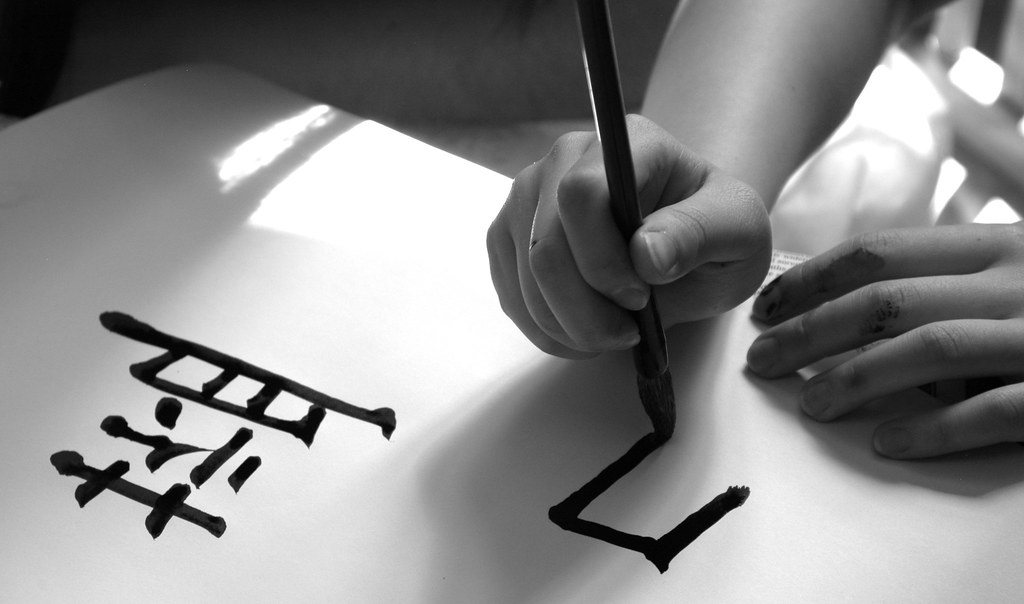
How to create a Chinese brand name: balancing sound, meaning and registrability
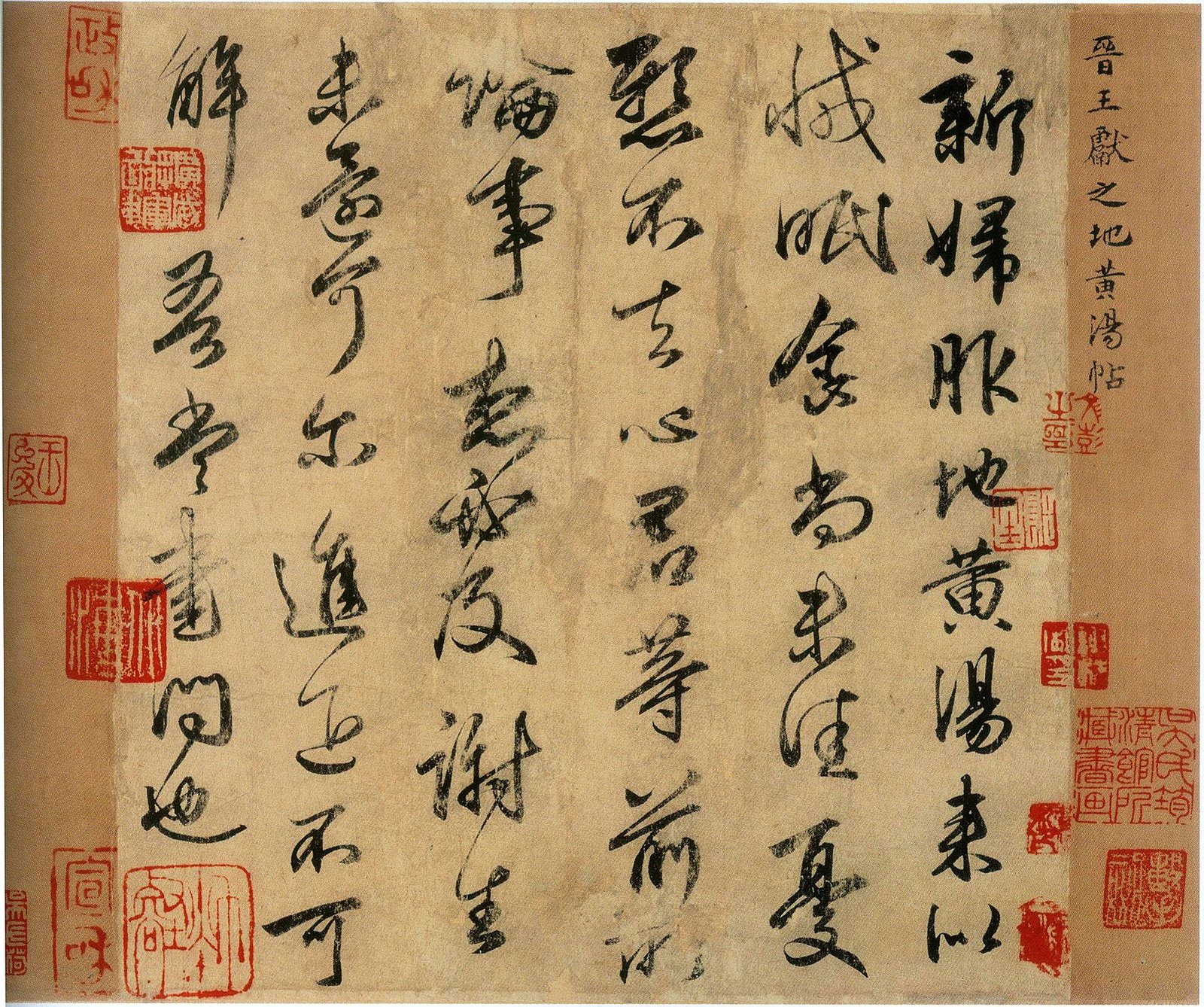
Why a Chinese name is a new brand decision, not a translation
For most consumers in China, Latin-script brand names are hard to read and remember. As a result, people, e-commerce platforms and the media spontaneously give a name to brands that have no official Chinese name. That name may sometimes be funny or have negative connotations, and it can even be registered by someone else. Because each Chinese character carries a meaning, a Chinese name is a tool that conveys your brand's personality, quality and category at a glance. The right name carries your brand at every touchpoint, from searches on Tmall to posts on Xiaohongshu.
Turkish brands have an extra opportunity: Türkiye carries associations that interest Chinese consumers, such as flavour, craftsmanship, natural products and hospitality. A good Chinese name can support that story. At Yeni İpekyolu we treat naming not merely as a linguistic exercise but as part of your China market entry strategy. We do not propose names before understanding your target audience, price positioning and sales channels, because a name aimed at young cosmetics shoppers will not be the same as one aimed at corporate B2B buyers.
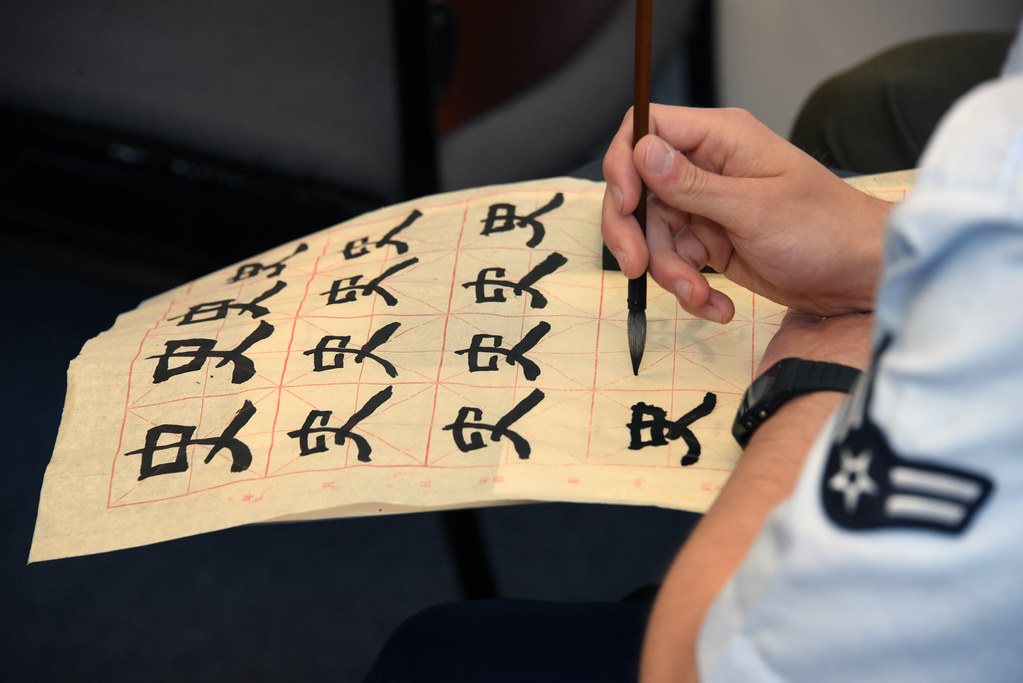
Phonetic, semantic or hybrid: three naming routes
In the phonetic approach, the Chinese name is built from characters that sound close to your original brand; this preserves international recognition, but character choice needs care. In the semantic approach, the meaning or promise of the brand is carried into Chinese; the sound may differ, but the message is strong. In the hybrid approach, which is the most popular, characters that both sound similar and carry positive meanings are combined. Chinese tones, how well the characters fit the category and a short structure of two to four characters are core criteria we apply in all three routes.
Category fit is particularly important. For a food brand, characters suggesting taste and freshness may be preferred; for cosmetics, beauty and elegance; for textiles, texture and comfort. On the other hand, some characters that look beautiful on their own may resemble an unwanted word when combined, or may be read differently in dialects such as Cantonese. Our team reads every candidate aloud with native speakers from different regions and checks its associations on social media and search engines. That way you avoid embarrassing surprises in the market.
From shortlist to registration: securing the chosen name
Even the most creative name is useless if it cannot be registered. That is why we run the shortlisted candidates through a prior search in the relevant classes and subgroups with a licensed Chinese trademark agent. If an identical or similar mark exists, we move to alternatives. We also check whether the name can be used as an e-commerce store name, a social media account name and a domain name. Because platform and registration rules can change over time, we confirm the current situation together before the final decision.
Once the choice is made, we prepare a short usage guide covering how the Chinese characters are written, how they appear next to the Latin-script name in the logo and how the name is used in official documents. Then we promptly start the filing through our trademark registration in China service. At Yeni İpekyolu our aim is to give your brand a name that Chinese consumers can easily read, love and share, and that legally belongs to you. If needed, we also monitor in the first months how consumers and media use the name and suggest steps for consistency.
Who needs a Chinese brand name?
Consumer product brands
Food, cosmetics, textile, home goods and accessory brands reaching Chinese consumers directly need a memorable Chinese name, used everywhere from product pages to packaging.
Tourism and service brands
Hotels, restaurants, tour operators and health tourism brands appear more welcoming and trustworthy to Chinese guests with a Chinese name, which also improves searchability on Chinese social media.
Industrial and B2B companies
A consistent Chinese company and brand name used at fairs, in catalogues and in correspondence with Chinese partners leaves a professional impression and prevents others from registering it.
What the Chinese naming project covers
Brand and audience analysis
We learn your brand story, values, price positioning and target audience in China, and build the naming brief on that analysis.
Pool of candidate names
We generate many candidates using phonetic, semantic and hybrid approaches, explaining each name's character meanings and story in Turkish.
Linguistic and cultural checks
Tones, dialect differences, unwanted homophones and online associations are checked one by one, and risky names are removed.
Registrability and availability pre-check
Shortlisted names are pre-searched with a licensed trademark agent, and their availability as store and social media account names is checked.
Usage guide
We prepare a short guide on the chosen name's writing, use alongside the Latin-script name and form in official documents, ready to share with your design agency.
Service summary and requirements
| Delivered by | Our native Chinese naming and marketing team |
|---|---|
| Deliverables | Shortlist, risk notes and usage guide |
| Pricing | Project-based, or packaged with trademark filing |
| Service languages | Turkish · Chinese · English |
| Cities served | Guangzhou · Shenzhen · Yiwu · Shanghai · Hangzhou · Beijing (coordinated from our Istanbul office) |
The final price and timeline depend on the scope; we send you a clear quote promptly.
What you need to provide
- Brand story, values and current logo
- Product groups to be sold in China and price positioning
- Target customer profile and sales channels
- Meanings you like or want to avoid
The path to your Chinese brand name
- 1
Briefing meeting
We discuss your brand values, category and China goals, noting the associations you like and those you want to avoid.
- 2
Creative work
Our native Chinese team generates and pre-screens candidates, then presents a longlist with meanings and stories.
- 3
Checks and shortlist
After linguistic, cultural and digital checks a shortlist is formed, and a trademark pre-search is run with the agent.
- 4
Selection and filing
We make the final decision together, deliver the usage guide and start the trademark filing without delay.
Frequently asked questions
Isn't it enough to translate my brand name into Chinese?
A literal translation often gives a meaningless or generic result. A Chinese name is creative work that balances sound, meaning, category fit and registrability, so we treat it as a new brand decision rather than a translation.
Must my Chinese name sound like my original brand?
Not necessarily. Phonetic similarity preserves international recognition, while a semantic name strengthens the message. For most brands a hybrid combining both works best.
How many characters do you recommend?
Names of two to four characters are typically easy to read and memorable; longer ones tend to get shortened. We recommend the most balanced length for your category and existing brand.
How will we know the chosen name can be registered?
Shortlisted names are pre-searched in the relevant classes with a licensed Chinese trademark agent. This greatly reduces risk, while the final decision is made in official examination, so we recommend filing promptly after selection.
Could there be problems in Cantonese or other dialects?
Some character combinations can take on unwanted meanings in other dialects, so we test candidates aloud with native speakers from different regions and exclude risky names from the shortlist.
What if the market already uses a Chinese nickname for my brand?
We first research its associations and registration status. If it is positive and available, formalising and registering it may make sense; otherwise we prepare a communication plan for a new name together.
How should the Chinese name appear in my logo?
It is typically used alongside the Latin-script name with balanced typography. Our usage guide shares writing and layout recommendations, and we can work directly with your design agency.
Tell us what you need in China
Our consultant reviews your needs for free and gives you a clear price and timeline.