
Tmall Global & JD e-commerce
Sell your Turkish products to Chinese consumers through Tmall Global and JD
Yeni İpekyolu coordinates the start of cross-border e-commerce on Tmall Global and JD for Turkish food, cosmetics, textile and home goods brands. From choosing the model and opening the store to logistics and the campaign calendar, we are at your side.
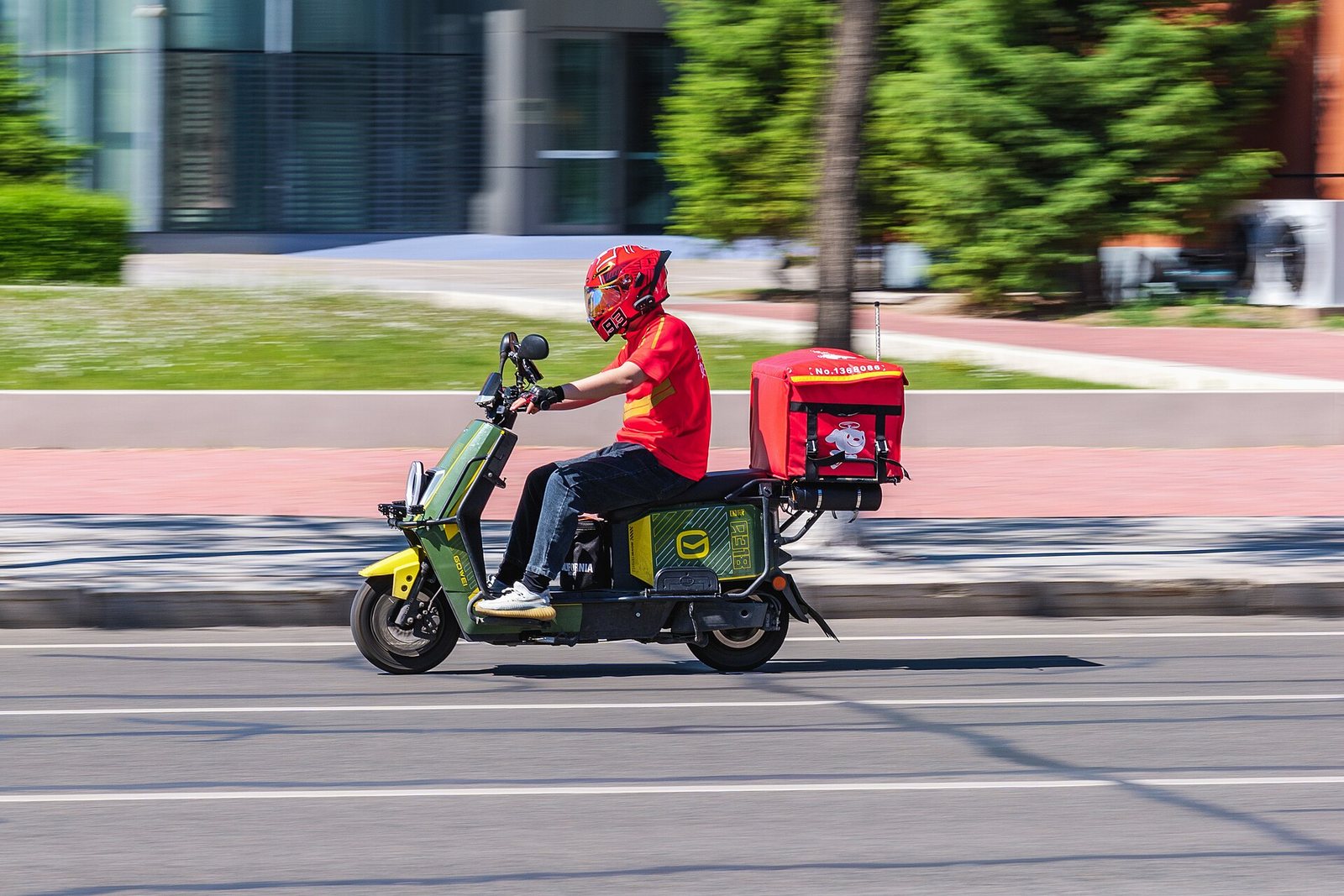
Cross-border selling on Tmall Global and JD: a roadmap for Turkish brands
Why cross-border e-commerce is a good start for Turkish brands
In China, cross-border e-commerce is a special model that lets foreign brands sell to Chinese consumers without setting up a company in China and without waiting for every step of the classic import process. Goods are typically shipped to consumers from bonded warehouses in China or directly from abroad, and the consumer buys under personal import rules. For Turkish brands that want to test the Chinese market, this means a lighter start-up burden. However, rules such as which products are covered and personal purchase limits are updated from time to time, so we confirm the current rules together at the outset.
Tmall Global and JD Worldwide are among the platforms Chinese consumers trust most when looking for imported products. Shoppers on these platforms want to be sure the product is genuine and sourced from abroad; that is an opportunity for Turkish products with a strong brand story and an emphasis on origin. Categories such as Turkish delight, olive oil, dried fruit, natural cosmetics, towels and home textiles can find a meaningful position with a “from Türkiye” label. At Yeni İpekyolu we assess your range through the eyes of Chinese consumers and decide together which products to launch with first.
Your own store, a distributor or platform direct buying?
There are essentially three routes on these platforms. The first is for the brand to open its own official store; this gives the most control but requires store operations, customer service and a marketing budget, and most brands hand this work to a licensed store operating partner (TP). The second is selling through the store of an authorised Chinese distributor or importer. The third is for the platform's own buying team to purchase and resell your products directly. Each model has different application requirements, channel ownership and margin structure; because platform policies change, we confirm current requirements before applying.
Official store applications typically require overseas company documents, a trademark registration or application, product documents, and the deposit and annual service fees set by the platform. We therefore recommend running trademark registration in China and Chinese brand naming alongside the e-commerce project. At Yeni İpekyolu we give you an impartial comparison when choosing the model, research TP agencies or distributor candidates on your behalf, provide interpreting and negotiation support in meetings and translate contracts into Turkish.
Logistics, product pages and the campaign calendar
In cross-border selling, goods are mostly shipped in bulk to a bonded warehouse in China and orders are delivered quickly from there; direct shipping from abroad is an alternative. In categories such as food and cosmetics, product composition, label information and shelf life are especially important. We plan the warehouse, customs and forwarder choice together with our logistics coordination team. Knowing that rules can differ by category, we confirm the current situation for each product with the relevant service providers.
Chinese consumers read product pages carefully: long, image-heavy detail pages, how-to videos, certificates and the origin story directly affect the buying decision. We localise your product pages into Chinese and tell your brand story in language that suits Chinese culture. We also prepare a stock and campaign calendar around big shopping festivals such as 618 and 11.11 (Singles' Day), the gift season before Chinese New Year and Golden Week. By supporting on-platform traffic with Douyin, Xiaohongshu and KOL work, we plan the path to sales as one integrated effort.
Which brands are Tmall Global and JD right for?
Food and beverage brands
Products associated with Türkiye, such as Turkish delight, dried fruit, hazelnuts, olive oil, honey and coffee, appeal to consumers seeking imports. We plan shelf life and labelling from the start.
Cosmetics and personal care
Natural skincare, soaps and rose- or olive-based products have a strong story in China. We confirm category-specific rules with service providers.
Home textiles and lifestyle products
Cotton towels, bathrobes, bedding, ceramics and décor can reach urban consumers looking for quality imports; visual storytelling is decisive here.
Brands that want to test China
For brands wanting to measure demand before setting up a company in China, the cross-border model is a flexible start, with a later move to general trade based on results.
Our support for your Tmall and JD project
Product and category fit
We assess whether your products fit the cross-border scope and the competitive landscape in China, and define the first-wave product list together.
Model and partner selection
We compare the official store, distributor and platform buying models, organise meetings with TP agencies and distributor candidates and interpret for you.
Application file coordination
We coordinate the preparation and translation of company, trademark and product documents, and handle correspondence with the platform or partner agency in Chinese.
Chinese content and product pages
We prepare product titles, detail pages, brand story and FAQ texts for Chinese shoppers, and pass visual briefs to designers.
Logistics and stock planning
We plan bonded-warehouse or direct-shipping options with forwarders and build a stock calendar around campaign periods.
Reporting and growth
We summarise sales and campaign reports in Turkish and suggest off-platform marketing steps to support traffic.
Service summary and requirements
| Platforms | Tmall Global, JD Worldwide and related channels |
|---|---|
| Delivered by | Our Shanghai–Hangzhou team and Istanbul office |
| Pricing | Setup project and monthly support options |
| Service languages | Turkish · Chinese · English |
| Cities served | Guangzhou · Shenzhen · Yiwu · Shanghai · Hangzhou · Beijing (coordinated from our Istanbul office) |
The final price and timeline depend on the scope; we send you a clear quote promptly.
What you need to provide
- Company documents and your trademark status in China
- Product list, composition details and certificates
- High-resolution product images and videos
- Your pricing structure and the budget range for China
- A contact person in Türkiye for export and shipping
The process of starting to sell on Tmall and JD
- 1
Initial assessment
We review your products, your brand's status in China and your goals, listing prerequisites such as trademark registration.
- 2
Model and partner decision
We choose the right sales model and, if needed, complete talks with a TP or distributor, with contracts reviewed in Turkish.
- 3
Application and store setup
Documents are prepared and the application filed. After approval, product pages, visuals and prices are uploaded.
- 4
Logistics and launch
The first stock reaches the bonded warehouse or direct shipping is set up, and we support the launch with social media and KOL work.
- 5
Campaigns and optimisation
We plan campaigns around 618, 11.11 and holiday seasons and refine products and content based on data.
Frequently asked questions
Do I need a company in China to sell on Tmall Global?
In the cross-border model you can typically apply with your overseas company, without a company in China. Platform requirements change from time to time, so we confirm current rules together before applying.
Does my brand need to be registered in China?
Official store applications typically ask for a trademark registered or applied for in China, and it also protects your brand from bad-faith filings. We recommend starting registration alongside the e-commerce project.
Is Tmall or JD a better fit?
The two platforms differ in user profile, strong categories and business models. Depending on your product, positioning and budget we recommend one or both, with a comparative assessment before you decide.
What is a TP (store operating partner) and do I need one?
A TP is a Chinese service partner that runs your store's daily operations, customer service and on-platform marketing. It is not mandatory, but for brands without a team in China it is often the most practical route. We research suitable TPs and manage the talks.
Do my products need Chinese labels?
In the cross-border model the rules differ from general trade, and Chinese information is often provided via the product page. Because this may vary by category, we confirm the current practice for each product with service providers.
How do the goods get to China?
Usually in bulk to a bonded warehouse in China, from which orders are dispatched; direct shipping from abroad is also possible. Our logistics team plans the best route with forwarders.
How will traffic come to the store?
Besides on-platform ads and campaigns, Douyin, Xiaohongshu and KOL collaborations are key traffic sources. Chinese consumers often discover products on social media and buy on the platform, so we manage these channels with an integrated plan.
Can I move to general trade later?
Yes, once demand builds through cross-border sales, moving to general import via a distributor or a company in China is a common path. There may be extra requirements such as labelling and registrations, and we plan these steps together.
Tell us what you need in China
Our consultant reviews your needs for free and gives you a clear price and timeline.